


Revolver innovation has been idle for decades while semi-automatics have evolved dramatically. We’re taking a look at why the industry basically gave up on innovation twenty years ago and what they should be building instead. It’s time for the industry to quit recycling 50-year-old designs and build revolvers worth getting excited about.
Details are in the video below, or keep scrolling to read the full transcript.
Hey everybody, I’m Chris Baker from Lucky Gunner. Let’s talk about the future of revolvers.
If you’re a double action revolver fan, it might feel like innovation is kind of stagnant these days. We keep getting variations of the same basic designs that were already pretty good decades ago. Another steel-frame six-shot .357 Mag. Another aluminum J-frame .38 Spl. As much as I’ve enjoyed these guns over the years, how many variations on the same theme do we need?
Now, you might say this stagnation is because revolvers are just antiquated technology. If you want something modern, just get a semi-automatic. And you might have a point. But you could make that same argument about lots of other firearm categories. Take bolt action rifles, for example. Sure, they’re obsolete as military infantry rifles, but they still have plenty of other uses and they have seen tremendous innovation in recent years: new materials, new cartridges, chassis systems, modern features integrated into classic designs.
So where are the modern 21st century revolvers? The industry showed us some potential, but they dropped the ball just when things were getting interesting.
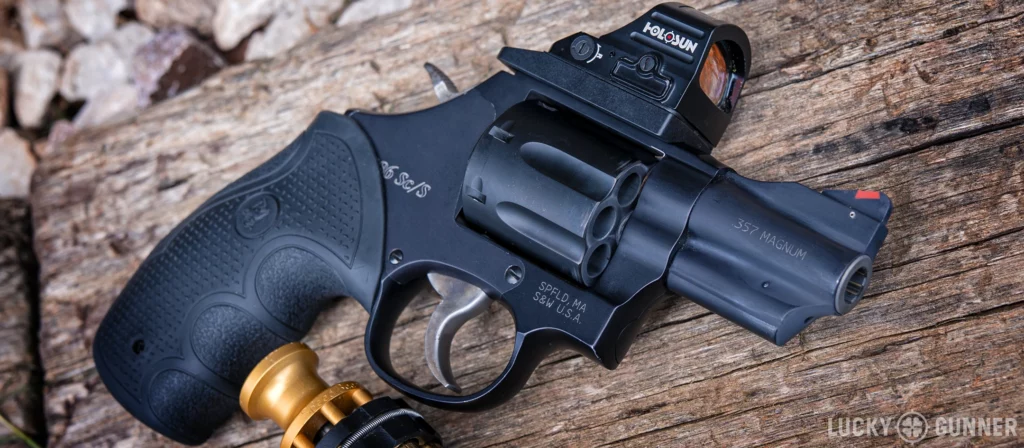
Let’s look at an example. This is a Smith & Wesson Model 386. It’s an L-frame, so the same dimensions as the medium-size 686. They made a few different versions. This one is the 386 Sc/S – a seven-shot .357 Magnum with a 2.5-inch barrel built on a lightweight aluminum-scandium frame with a steel cylinder. It weighs just 21.2 ounces unloaded. For comparison, that’s lighter than a steel J-frame Model 60. This gun represents a lot of promise in what a modern concealed carry revolver could be: lightweight materials, increased capacity, adjustable sights. Some of the other versions had night sights.
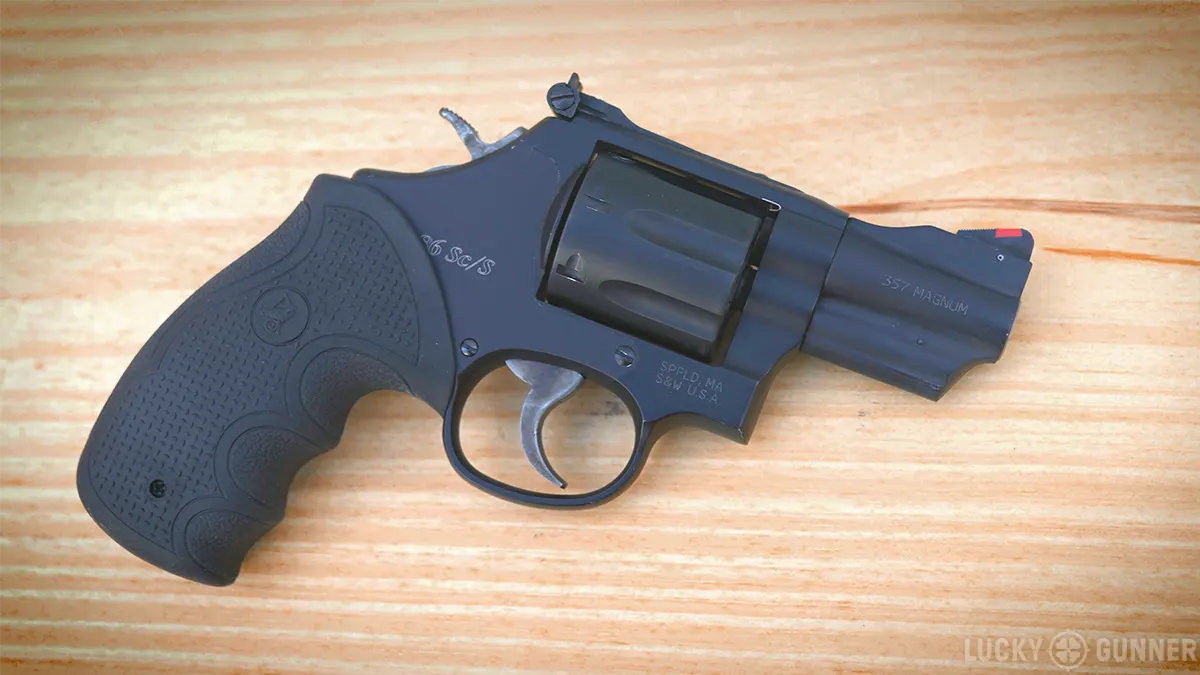
Smith & Wesson first made this gun in 2007. The last 386 was retired in 2012. Today, you literally cannot buy a new lightweight medium-frame revolver from any manufacturer. This entire category – which should be the sweet spot for modern carry revolver design – simply does not exist anymore.
Why The Industry Gave Up
So what happened? Why did revolver makers abandon innovation and retreat to rehashing designs from the 1970s?
The early 2000s were brutal for revolver sales. It was the age of the double stack wondernine. To make matters worse, the surplus market was flooded with used duty revolvers. Not just from police departments, but federal agencies, prisons, security companies and foreign militaries. That’s… a whole lot of cheap revolvers. Why buy a new one when you could pick up a barely-used Model 10 for a couple hundred bucks?
From a business perspective, it made sense for the industry to pull back their investment in wheel guns. Revolvers are inherently more complicated and expensive to design and manufacture than polymer semi-automatics. When you’re looking at a shrinking market, dumping cash into R&D for new revolver designs would seem like a waste.
But it’s not 2005 anymore. The market has completely changed. It might be time for manufacturers to reconsider their assumptions about who is interested in revolvers and why.
A lot of shooters have their ARs and their striker-fired 9mms, and now they’re looking for something different. Something with character. Some shooters are leaning toward 2011s, PDW-style SBRs, precision rifles, and (one of my favorites) semi-auto shotguns. But we’re also seeing a renewed interest in well-made traditional firearms with modern features like lever actions, bolt actions, pump actions, and yes, double action revolvers.
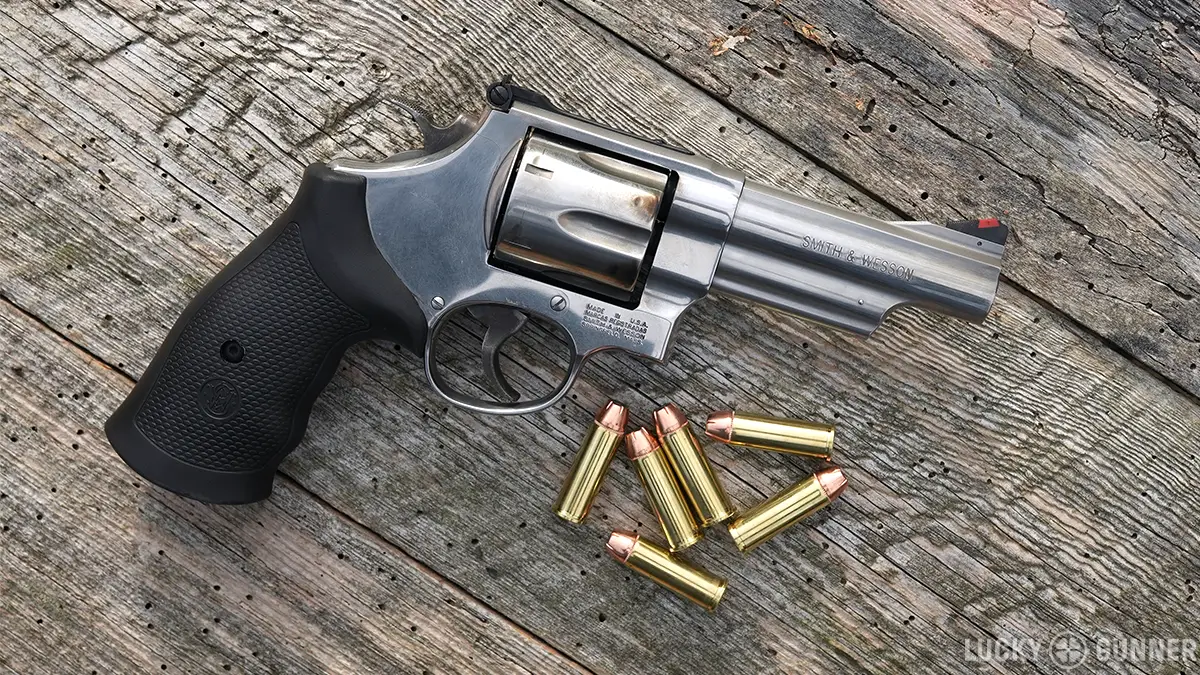
And it’s not just nostalgia or novelty driving this. There are practical advantages to revolvers that become more appealing to some shooters as they gain experience. Their resistance to neglect, the ability to customize the grip, a profile that’s less likely to print under a cover garment, the flexibility of a wide range of ammo selection for a single gun. Semi-autos are superior in many ways, but there are still some things revolvers do better and I think more people are coming to appreciate that.
So instead of writing off revolvers as a dying market exclusively for traditionalists, manufacturers should be asking: what could a revolver designed from the ground up for 2025 look like?
What a Modern Revolver Could Look Like
But before we get too deep into that, let’s address the elephant in the room: you can’t innovate your way out of basic quality control problems. And right now, the revolver industry has serious QC issues.
Taurus used to be the worst offender, but they’ve cleaned up their act in recent years. They’re not perfect, but they’ve at least acknowledged the issues and they’ve improved considerably. The other big guys should be ashamed. Smith & Wesson, Ruger, Colt, Kimber – fix the basics first, then we can talk about the cool stuff.
Assuming we can get past that hurdle, here are some features we should be seeing in modern revolvers:
Lightweight Materials
This isn’t always what you want – sometimes you need good old fashioned steel to ensure durability or soak up recoil. But for EDC or wilderness defense guns, the advantages are obvious. Nearly all of the aluminum or polymer models on the market right now are small frame revolvers. Let’s expand that to medium and large frames.
Modern Sights
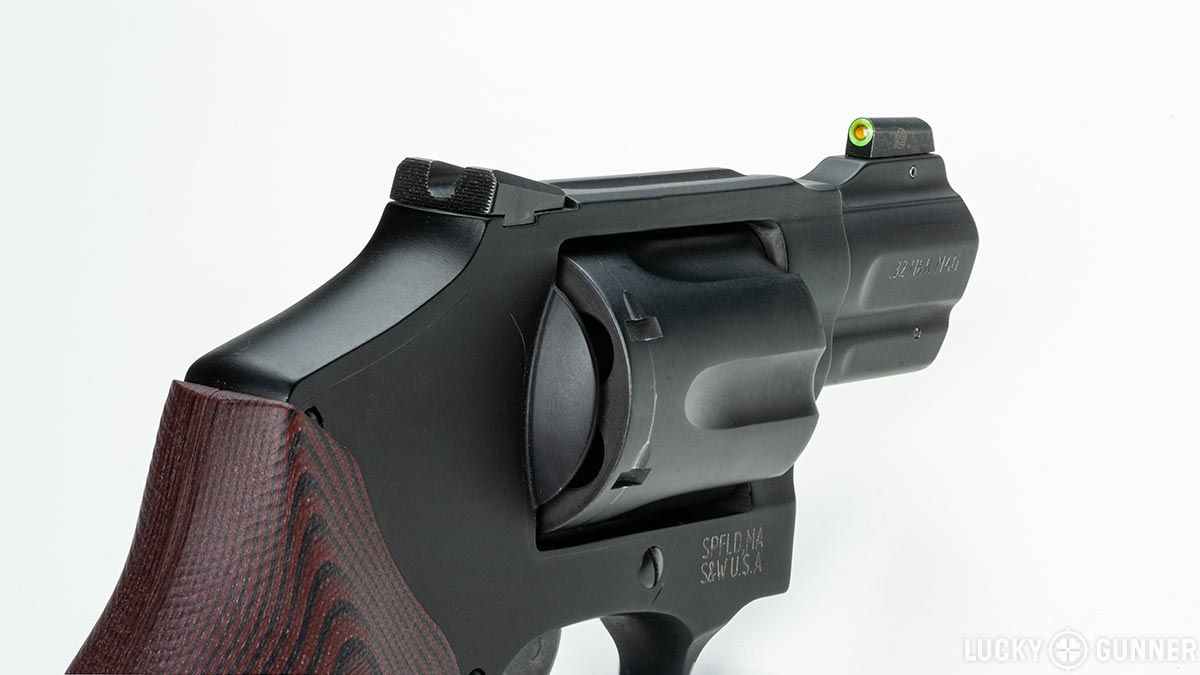
At minimum, we need a bright, easily visible front sight with a (preferably adjustable) good-sized rear sight notch. There’s no reason not to put decent sights on revolvers, but this is somehow still the exception rather than the rule.
So I hesitate to ask for anything more, but let’s get some modern optics-ready options, too. Not picatinny rails or scope rings – low profile cuts or plates for micro dot sights. Taurus is literally the only major manufacturer offering optic plates from the factory.
Better Triggers
The industry has made some progress here. The Ruger LCR really raised the bar for decent triggers. The Kimbers and the new Colts are pretty good. But there’s still room for improvement. Medium and large frame Smiths can have the best double action triggers in the industry, but only with some work. From the factory, they have been inconsistent at best, and often very disappointing.

Increased Capacity
There are limits to what’s possible with the revolver format, but we’ve seen progress. Seven and eight-round cylinders are more common now. I think what we really need is…
More Cartridge Options
This could be the real answer to the capacity question. The easiest way to get more capacity is to use smaller cartridges. How about a seven-shot .32 Magnum in a K-frame? Or a lightweight medium-frame .22 Magnum with a nine or ten-shot cylinder? And while we’re at it, figure out why .22 Magnum revolvers are so unreliable.
Innovation doesn’t have to be about reinventing the wheel. Some of the best ideas have already been tried – they just need to be executed better or brought back with modern materials and manufacturing.
Other Abandoned Innovations
Take the Korth Sky Hawk, for example. It was only made for a couple of years – 2017-2019. It was designed around the shorter cartridge length of 9mm, allowing for a more compact frame. The Sky Hawk was an elegant solution to make a more compact carry revolver. But at $1600 with limited import numbers and minimal holster support, it was doomed to fail. A company with a better understanding of the American concealed carry market should try their own short-frame revolver.
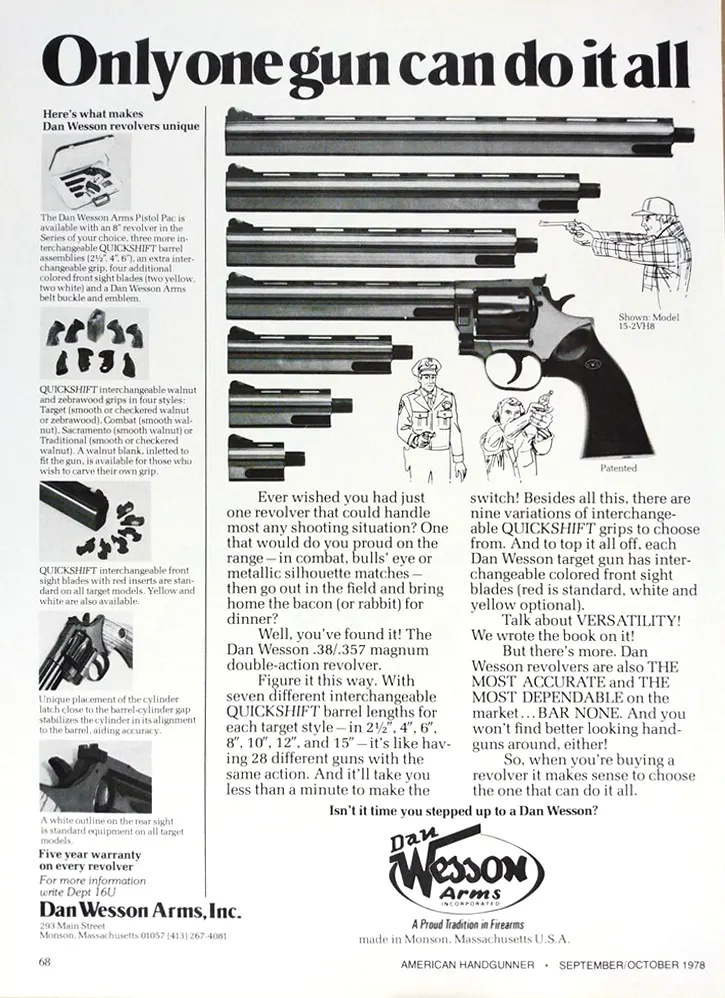
And I don’t mean to restrict these ideas to defense-oriented revolvers. Look at Dan Wesson’s interchangeable barrel system from the 70s and 80s. You could buy a kit that included a frame and multiple barrels that you could swap around depending on what you wanted to do with the gun. One gun, multiple configurations. It’s a brilliant idea that no one has seriously attempted since.
And speaking of modularity, what about interchangeable cylinders? Lots of companies used to offer this. Taurus still makes a few models that can switch between .22 LR and .22 Magnum or .357 and 9mm. Ruger has some single-actions that do this. Why isn’t this concept more common? And hey, while we’re dreaming big, why not make a kit with multiple cylinders and barrels?
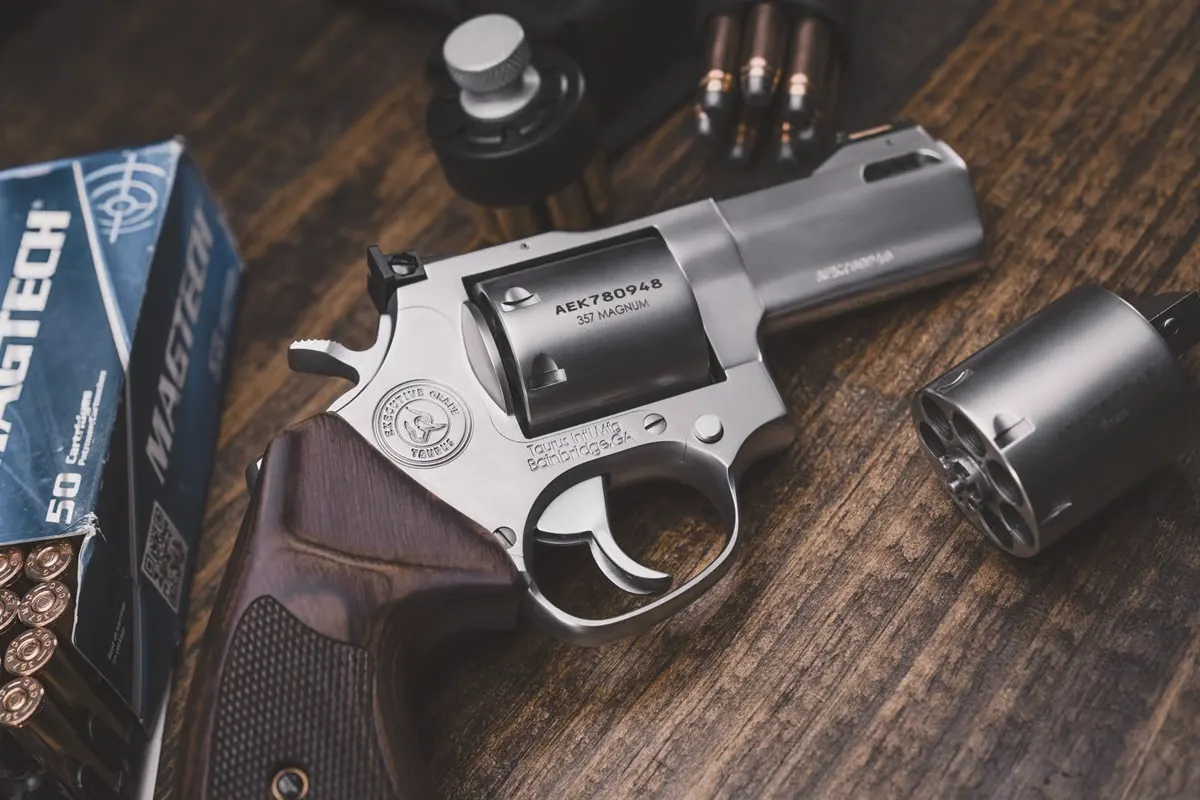
And then there’s the Chiappa Rhino – easily the most radical revolver design in decades. The barrel fires from the bottom chamber instead of the top, reducing felt recoil and muzzle flip. It’s not the first revolver to do this, but it’s the first one with some decent commercial success.
The execution, unfortunately, is sub-par. They’re designed like Rube Goldberg machines and frequently have mechanical problems. Maybe there’s just not a better way to do it, but I’d love to see someone else try.
Another unrealized benefit to having the barrel on the bottom is that the top strap doesn’t have to be very strong. So you could potentially make an extra low optic cut and get a dot on a revolver that doesn’t feel like it’s floating six inches above the gun.
I’m not an engineer – there might be some very good reasons these features aren’t more common. But the point is, there have been genuinely innovative ideas in the revolver world. Most of them failed, not because the concepts were bad, but because of poor execution, bad timing, or unrealistic pricing. Today’s manufacturing technology and renewed demand could make at least some of these concepts viable.
But instead of learning from these examples and pushing forward, most manufacturers have retreated to making the same safe bets over and over again. Let’s see how each of the big revolver makers are doing on innovation.
The Manufacturer Report Card
Smith & Wesson
We’ll start with Smith & Wesson, and I’m going to be extra hard on them because they’re my favorite and I want them to be better.
They made huge strides in lightweight materials starting in the late 90s when they found that the addition of roughly 0.1% scandium to their aluminum alloy frames would allow the guns to withstand much higher pressures. They also made some models with titanium cylinders to further decrease weight.
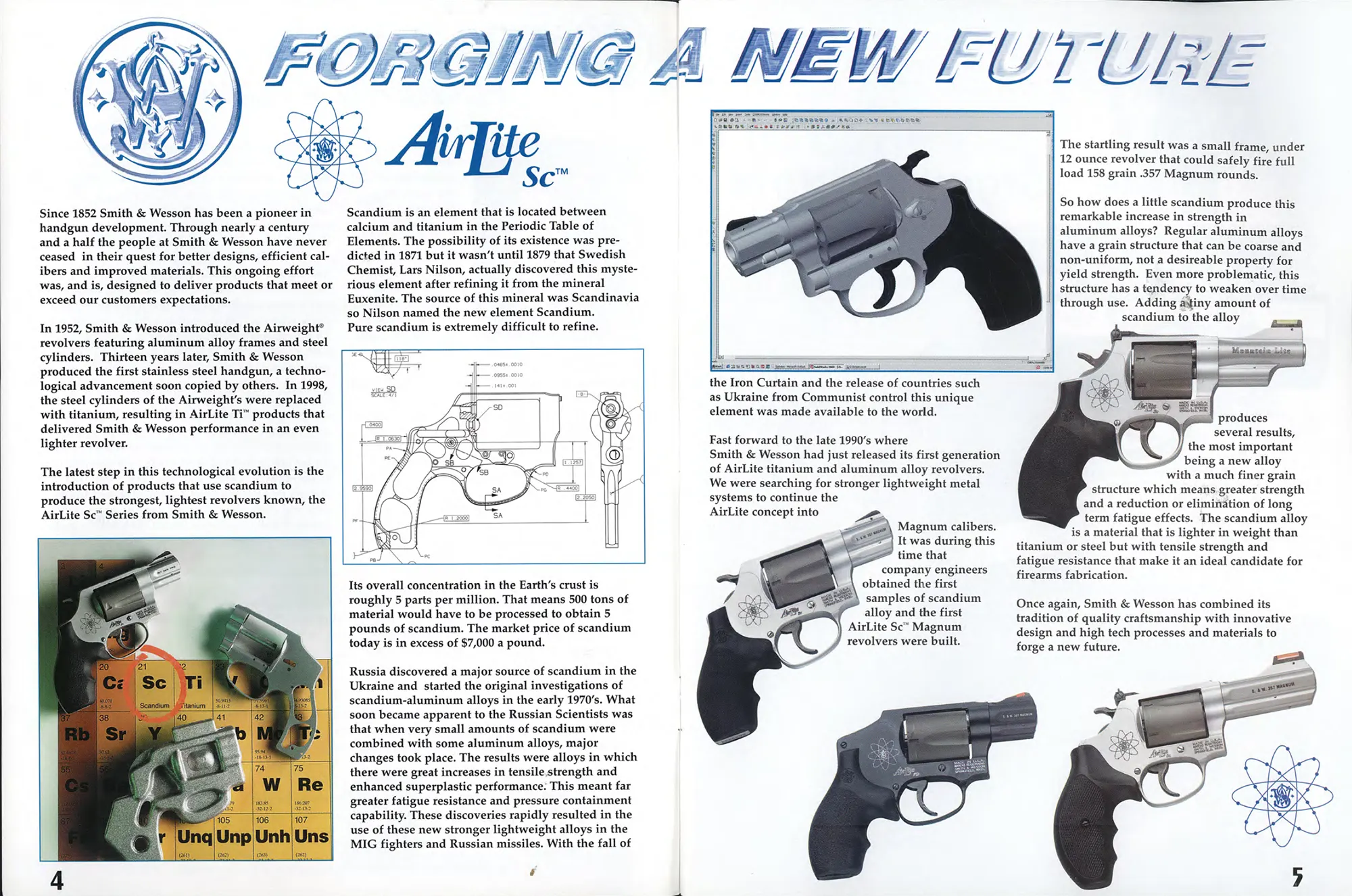
By the mid 2000s, they made lightweight versions of several models. There are some cartridges no one should ever try to fire out of a 12-ounce gun. But when paired with the right ammo, these lightweight models are excellent for all-day carry. Unfortunately, the timing was terrible and, except for small frame models, they pretty much stopped trying anything new about 15 or 20 years ago.
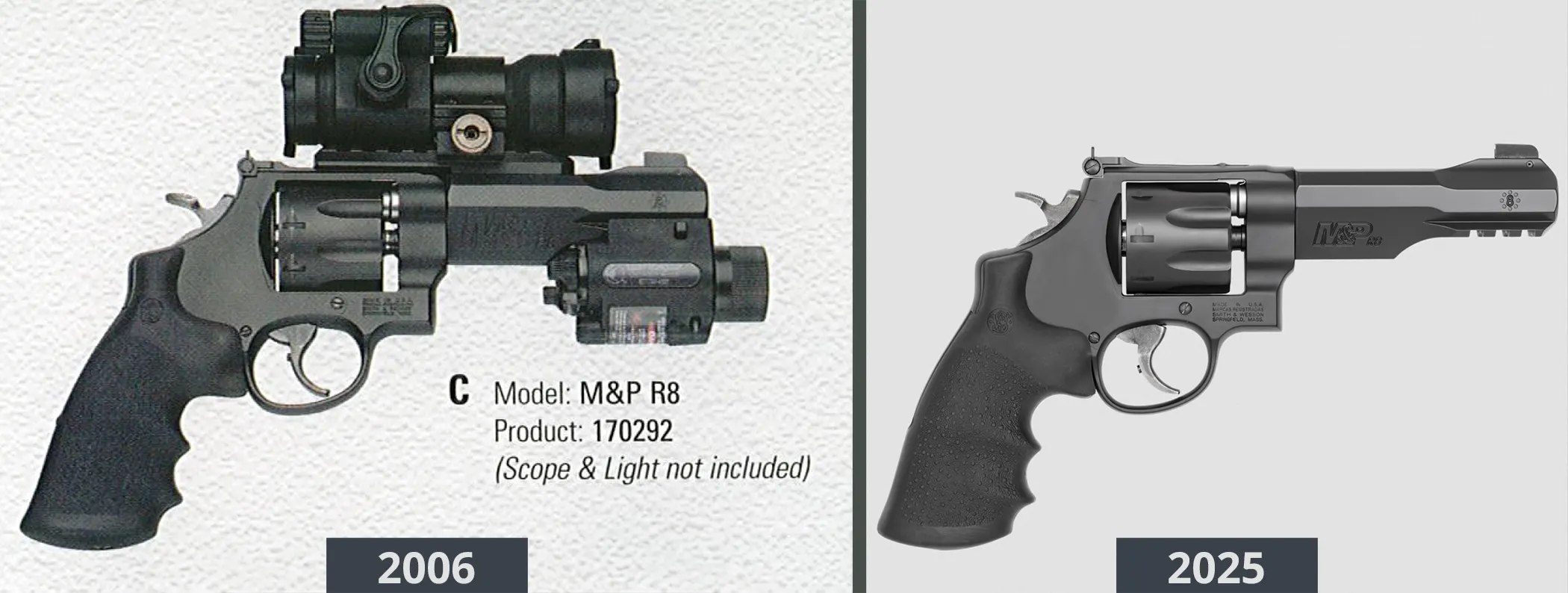
Like I mentioned earlier, they don’t make lightweight medium-frame revolvers anymore. They still have three lightweight large-frame .357s and one .44 Magnum but nothing has changed there in several years. When the TRR8 and the nearly identical M&P R8 came out in 2006, they really looked like the revolvers of the future with picatinny optic rails and light rails. They still make them today and they’re exactly the same. Five inches is still the only barrel option. There’s no low profile red dot mount. The light mount is still too far forward to be useful. They made an exciting first draft and never came back to finish it.
Another forward-thinking attempt was the Night Guard line of carry revolvers in 2008. Lightweight scandium-aluminum frames, tritium front sight, two and a half inch barrels. But again, the timing was wrong. And they were expensive and there were too many models.
I think it’s time to bring back the Night Guards, but streamline the options and update some of the features. And please, make one of them the 315 – the K-frame .38 Special. They only made like 500 of them the first time around. That’s the Goldilocks revolver a lot of us have been waiting for (and I’ll be your best friend if you do it as a 7-shot .32 Magnum).
Ruger
I have to give credit here where it’s due. Ruger has given us the most innovative revolver design of the century so far: the LCR. Two-piece frame with a polymer lower, lightweight, excellent trigger, extremely durable and shootable. They’ve expanded the calibers since the initial launch and there are some three inch models. But we need more follow-through. Where’s the medium-frame version? We need an LMR.
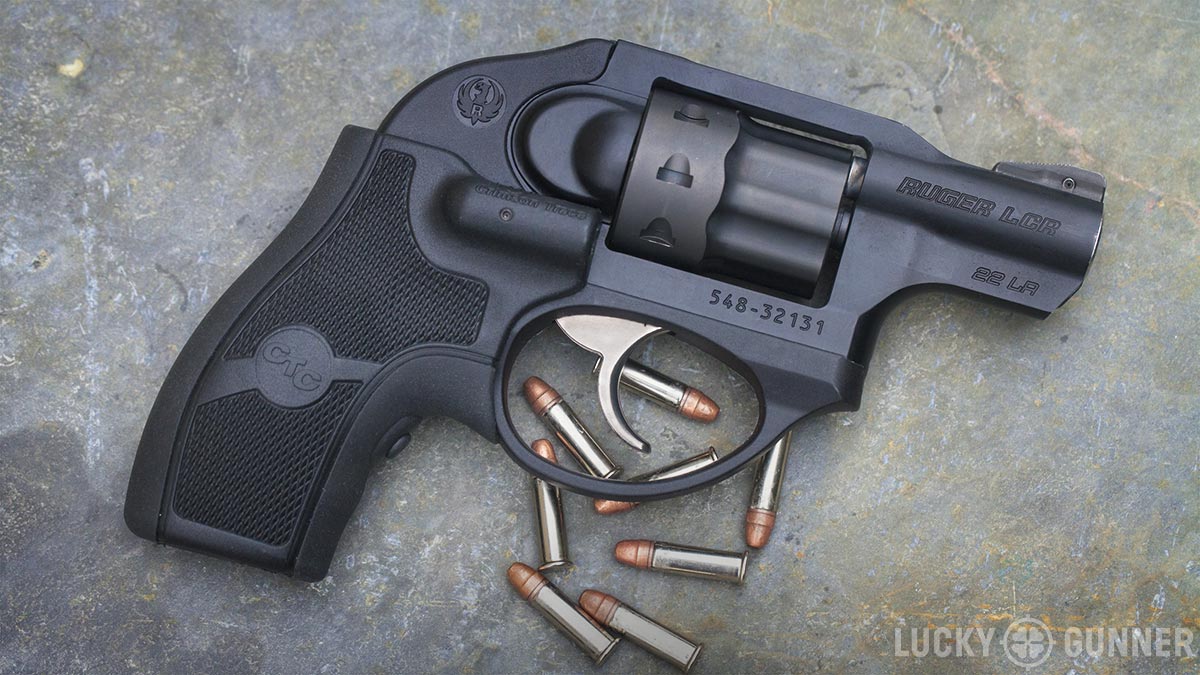
And why stop there? Ruger’s manufacturing capabilities are incredible. They could do modular systems that would make Dan Wesson jealous. Imagine a polymer lower that could accept different barrel/cylinder combinations. They have the engineering talent and production capacity to pull it off. Does that sound too radical? Well, making a brand new polymer revolver in 2009 was pretty radical and that idea seems to have paid off.
Taurus
Taurus also deserves some credit for their TORO optics-ready revolvers. But not too much credit. At the end of the day, these are basically standard Taurus revolvers with a couple of holes in the top strap and an optic plate in the box. But if we’re lucky, this will encourage other revolver companies to offer their own optic ready options from the factory.
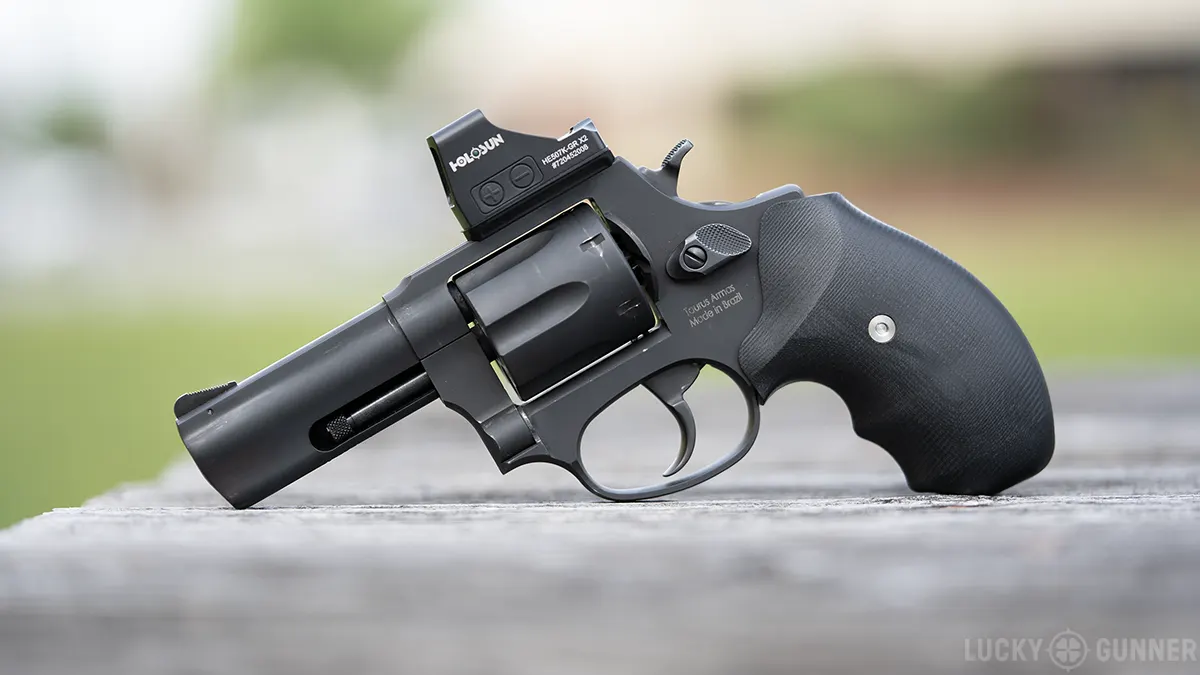
Taurus has turned out some other novel concepts this century, but most of them were more gimmick than innovation like the Taurus Judge or the ill-fated Taurus View. Hopefully their new management will apply some of that outside-the-box thinking to more useful ideas.
Colt
Colt is as traditional as it gets. If you want to market purely on nostalgia, that’s fine, but I wonder if that’s enough to sustain their revolver division long-term. Right now, they’re essentially making variations of the guns they offered in the 1980s.
Ironically, Colt used to be one of the big innovators, and I don’t just mean Sam Colt’s original six-shooter. The Cobra was the first commercially available aluminum frame revolver back in 1950. When they relaunched it in 2017, it was a steel frame gun. And all the revolvers they’ve released since have been steel.
As far as I can tell, they’ve got one version of the Python that comes with a night sight. And the triggers are pretty nice. That’s the closest thing I can see to progress in their lineup.
The Challenge
There’s not just one direction for the future of revolvers. There are dozens of exciting possibilities. Modular systems. New frame sizes. Forgotten cartridges. Better materials. Each manufacturer could stake out their own piece of this market.
So here’s my challenge to the industry: stop playing it safe. Stop rehashing the same designs from fifty years ago. Build something that makes us excited about revolvers again. Build the guns that should exist but don’t.
Until then, everybody, keep shooting your old revolvers. Thanks for watching, I’ll see you next time.