LuckyGunner.com has a live inventory system that removes any out-of-stock items from our website the moment the last unit is ordered. If you see it, we have it in stock and ready to ship.
Fast Shipping
$100 Guarantee
We guarantee the products shown on our site are in-stock. If we make a mistake and an item in your order is out of stock, we will give you a $100 store credit.
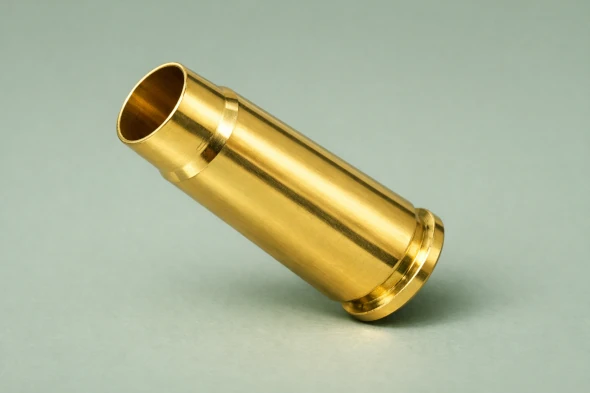
Brass has been the gold standard for ammunition casings since the mid-1800s, and for good reason. The alloy (typically 70% copper, 30% zinc—known as C26000 or cartridge brass) offers an ideal combination of properties: it's malleable enough to form into complex shapes, elastic enough to expand and seal the chamber during firing then contract for extraction, and corrosion-resistant enough to store for decades. For reloaders, brass is unmatched—quality cases can be reloaded 5-10+ times for pistol calibers and 3-5 times for high-pressure rifle rounds. The consistent metallurgy of brass also contributes to uniform ballistics, which is why virtually all match-grade and defensive ammunition uses brass cases. While more expensive than steel or aluminum alternatives, brass's reloadability often makes it more economical for serious shooters over time.
Pistol brass (9mm, .45 ACP) can typically be reloaded 5-10+ times with proper technique. High-pressure rifle calibers (.308, .223) usually last 3-5 reloads before case neck splits or primer pocket loosening occurs. Always inspect cases before reloading.
Why is brass preferred over steel for ammunition?
Brass offers superior elasticity (seals chamber, then extracts cleanly), corrosion resistance, reloadability, and doesn't cause excessive wear on extractors and chambers. While steel is cheaper, brass's properties make it the professional's choice for defensive, match, and hunting ammunition.
You may be interested in these brass-cased ammo products: