LuckyGunner.com has a live inventory system that removes any out-of-stock items from our website the moment the last unit is ordered. If you see it, we have it in stock and ready to ship.
Fast Shipping
$100 Guarantee
We guarantee the products shown on our site are in-stock. If we make a mistake and an item in your order is out of stock, we will give you a $100 store credit.
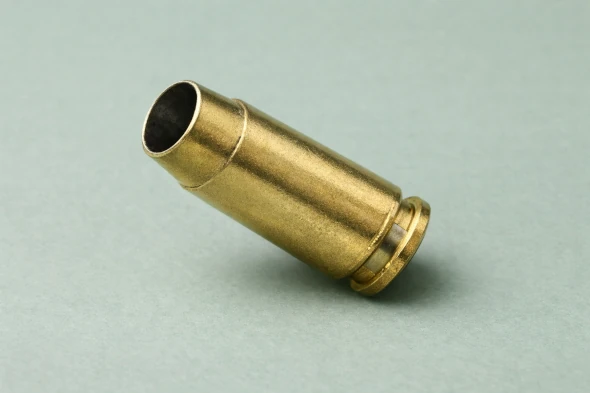
Brass-plated steel casings attempt to combine steel's cost advantages with improved corrosion resistance and appearance. The steel core is coated with a thin layer of brass (typically through electroplating), giving the cases a golden appearance that can make them difficult to distinguish from true brass at a glance. This plating provides better rust resistance than bare or lacquered steel, though not as good as solid brass. Some manufacturers use this method to improve feeding reliability, as the brass surface can be slicker than polymer coatings. However, the cases remain non-reloadable due to the steel construction underneath. Brass-plated steel is most commonly found in imported ammunition, particularly from Eastern European manufacturers. The magnetic steel core means these rounds are typically prohibited at indoor ranges and on steel targets.
How can I tell brass-plated steel from real brass?
Use a magnet—brass-plated steel will stick to a magnet, real brass won't. You can also check the headstamp for manufacturer info, or scratch the case lightly: brass-plated steel shows silver underneath the gold coating.
Is brass-plated steel ammo allowed at indoor ranges?
Usually no. Most indoor ranges prohibit all steel-cased ammunition regardless of plating due to the magnetic projectiles often paired with steel cases, fire risks from steel-on-steel contact, and backstop damage. Always check range rules before shooting steel-cased ammo.
You may be interested in these brass-plated-steel-cased ammo products: