LuckyGunner.com has a live inventory system that removes any out-of-stock items from our website the moment the last unit is ordered. If you see it, we have it in stock and ready to ship.
Fast Shipping
$100 Guarantee
We guarantee the products shown on our site are in-stock. If we make a mistake and an item in your order is out of stock, we will give you a $100 store credit.
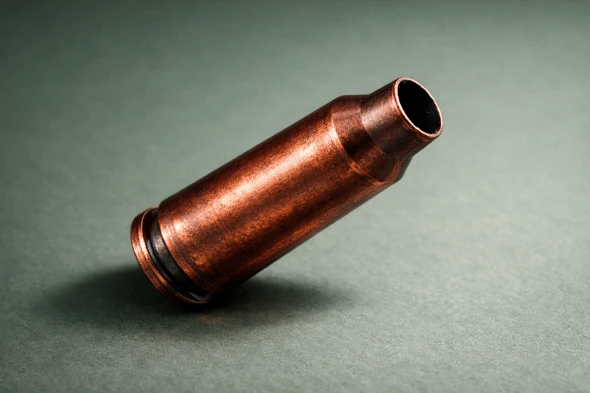
Copper-plated steel (often called 'copper-washed') casings feature a thin copper coating over a steel core, primarily for corrosion protection. The copper layer is typically thinner than brass plating and gives the cases a distinctive reddish-copper appearance. This coating method is common in Russian and Eastern European military surplus ammunition, where the copper wash helps protect cases during long-term storage. While the corrosion resistance is better than bare steel, it's not as effective as lacquer or polymer coatings in harsh conditions. The copper wash also serves as a lubricant during feeding, potentially improving reliability over bare steel. Like all steel-cased ammunition, copper-washed cases cannot be reloaded and are magnetic, often restricting their use at indoor ranges. The coating can sometimes flake during extraction, though this rarely affects function.
What's the difference between copper-washed and brass-plated steel?
Both are steel cases with thin metal coatings. Copper-washed cases have a thin reddish-copper layer, while brass-plated cases have a gold-colored brass layer. Brass plating is typically thicker and provides better corrosion resistance, but both types perform similarly and neither can be reloaded.
Does the copper coating affect barrel wear?
The copper case coating doesn't contact the barrel—only the bullet does. Steel cases themselves don't cause barrel wear, though the bi-metal (copper-washed steel) bullets often loaded with steel-cased ammo may cause slightly more wear than pure copper jackets. Case material is irrelevant to barrel life.